ServicesHome Battery Backup
Home Battery Backup Systems in Kennedale
A home battery keeps the essentials running when the power goes out. There is no fuel to store and no engine noise. We help you decide what to back up and check that your panel can take it, then install the system cleanly and to code. You will know exactly what stays on.
What a Home Battery Does for You
When utility power cuts out, the battery takes over on its own. Stored energy flows to the circuits you picked, often so quickly that clocks and Wi-Fi routers keep going without a blink. Once the grid is back, the system hands your home back to utility power and refills itself without anyone touching a switch.
The right size depends on what you want to keep running. Some people want the refrigerator, a few lights, the internet and a CPAP machine. Others want most of the house, including air conditioning. We start with that conversation, the way we would with a neighbor asking for advice. Then we size the system to fit instead of selling the biggest box on the shelf.
If you would rather have fuel-powered backup that can run for days, our generator installation page covers that option. We are glad to talk through both.
What Comes With Your Battery Installation
Reviewing your home's loads
We check your panel and ask which appliances you care about most in an outage. From there we know how much capacity you need and how long it will really run.
Key circuits or the whole house
Many systems power a dedicated backup subpanel with just the circuits you choose, which makes stored energy last much longer. Bigger systems can back up the full panel, and we lay out the tradeoff in plain terms.
Checking the panel and service
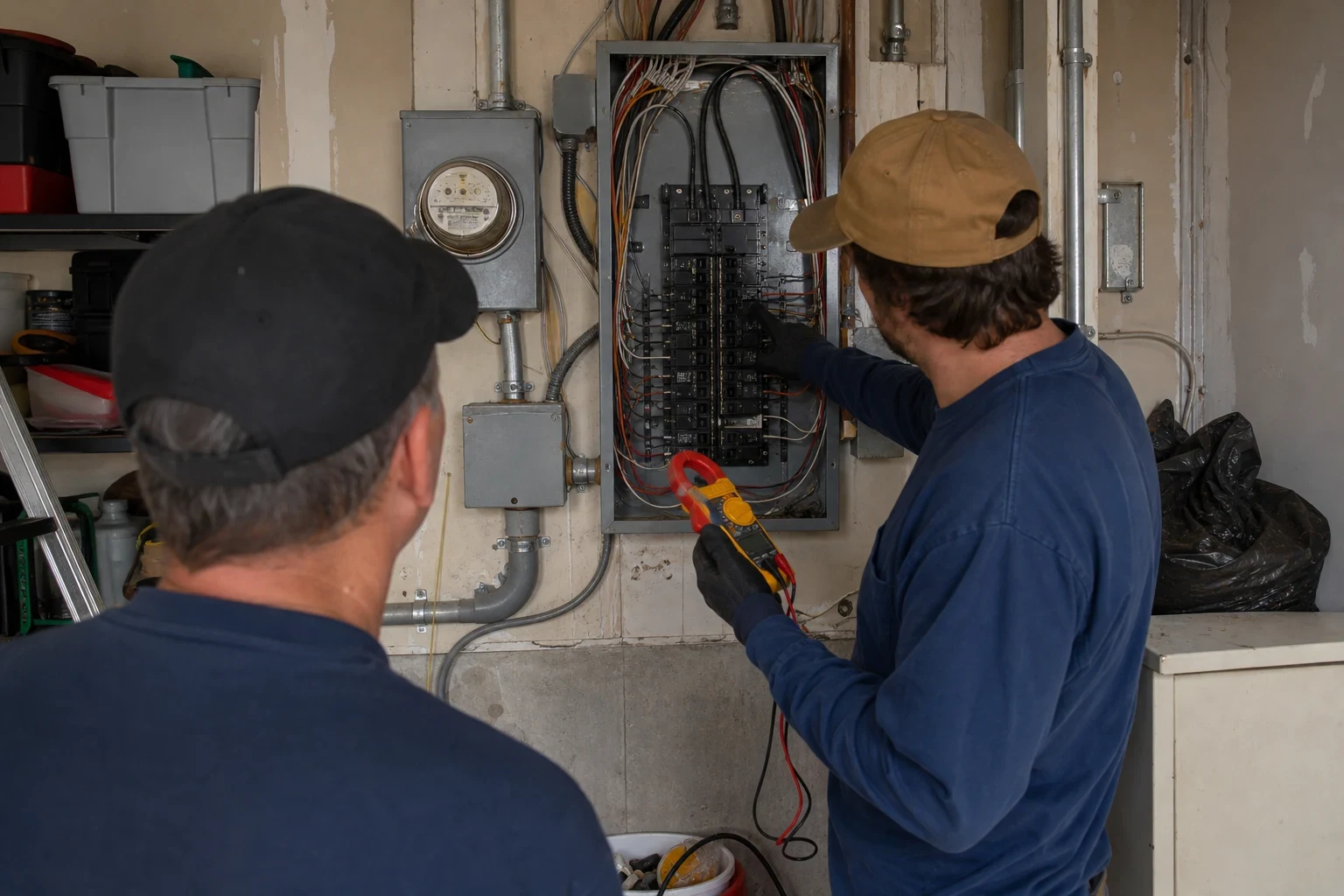
An older or crowded panel may need work before a battery can be connected safely. If that's the case, we say so at the start and explain the reason. Panel upgrades can be folded into the same project.
A cool, protected mounting spot
Heat shortens a battery's life and cuts its capacity. We choose a garage wall or shaded outside wall that stays within the manufacturer's temperature range and meets required clearances.
Switching gear that isolates your home
A gateway or transfer switch separates your house from the grid when the power fails. That keeps utility crews safe and stops your battery from trying to feed the whole street.
Setup and a guided tour
Before leaving, we run a mock outage while you watch and install the monitoring app on your phone. We also explain what every light and setting means.
Signs a Battery Backup Makes Sense
- Outages keep costing you food
- If you have tossed a full fridge or freezer after a storm, a modest battery covering those circuits can pay its way in groceries alone.
- Someone at home relies on medical equipment
- Oxygen concentrators, CPAP machines and medication that needs refrigeration can't wait for the lights to come back. Automatic switchover means no one has to scramble in the dark.
- You work from home
- Keeping the router, modem and a laptop charged means a power outage doesn't have to become a lost workday.
- A generator isn't a good fit
- Some people don't want engine noise, fuel storage or routine exercise runs. A battery sits silently on the wall and needs very little attention.
- Winter outages worry you
- North Texas ice storms can knock out power when it is coldest. A battery that keeps your furnace blower and a few rooms going makes a long night far more bearable.
How a Battery Install Unfolds
- 1
A visit to review your loads
We stop by, check your panel and the places the equipment could go, and ask what you need running when the power is out. You get straight answers about what will work in your home.
- 2
Your written proposal
The itemized proposal shows battery size, covered circuits, any panel work and estimated runtimes for typical loads. Work begins only after you approve it.
- 3
Permits and the utility
We obtain the permit and handle inspections as the local jurisdiction requires. If the utility needs forms or notice, we handle that as well.
- 4
The install
Most systems go in over one or two days. The power is off for a stretch, and we tell you when so you can plan. We protect the floors where we work and clean up before leaving.
- 5
Inspection, live test and handoff
Once the inspection passes, we run a real outage test with you and go through the app. You'll see for yourself which lights and outlets keep working.
What Drives the Price of a Home Battery
Battery prices swing more than most electrical jobs because each system is built around your habits. We don't give a number until we've looked at your panel and talked about what you want covered. The written proposal lists every part so you can see what you're paying for.
- How much energy it stores
- More storage gives you longer runtime and costs more up front. Some systems let you add another battery later if you need more.
- Key circuits or the whole house
- Covering a few circuits through a subpanel is less expensive than backing up everything. Central air needs more battery output and may call for a soft starter on the compressor.
- The shape your panel is in
- A full panel, old breakers or too little capacity may mean an upgrade comes first. That's frequently the largest swing in the final price.
- Placement and wire length
- Mounting the battery next to the panel is simpler than placing it across the garage. Longer runs add wire, conduit and labor.
- Permit and utility steps
- Permit fees and utility requirements differ by jurisdiction. We build them into your proposal so they don't surprise you later.
Questions About Home Batteries
- How long can a battery power my house?
- That comes down to the battery's capacity and what's running. A single battery can often keep a fridge, lights, internet and a few outlets going for a day or longer. Air conditioning uses it up far faster. Your proposal lists runtime estimates based on the loads we reviewed in your home.
- Will a battery run central air?
- It can with the right setup. A compressor pulls a large surge at startup, so it may need a bigger battery system or a soft starter to soften that surge. We'll tell you plainly whether it makes sense for your system before you commit.
- Battery or standby generator: which suits my home?
- Both have advantages. A battery needs no refueling, runs no engine and takes over almost instantly in an outage, but it can only give back what it has stored. A standby generator can run for days on its fuel, though it's noisier and needs regular service. We install both and can help you compare them against your needs and budget.
- Where is the battery mounted?
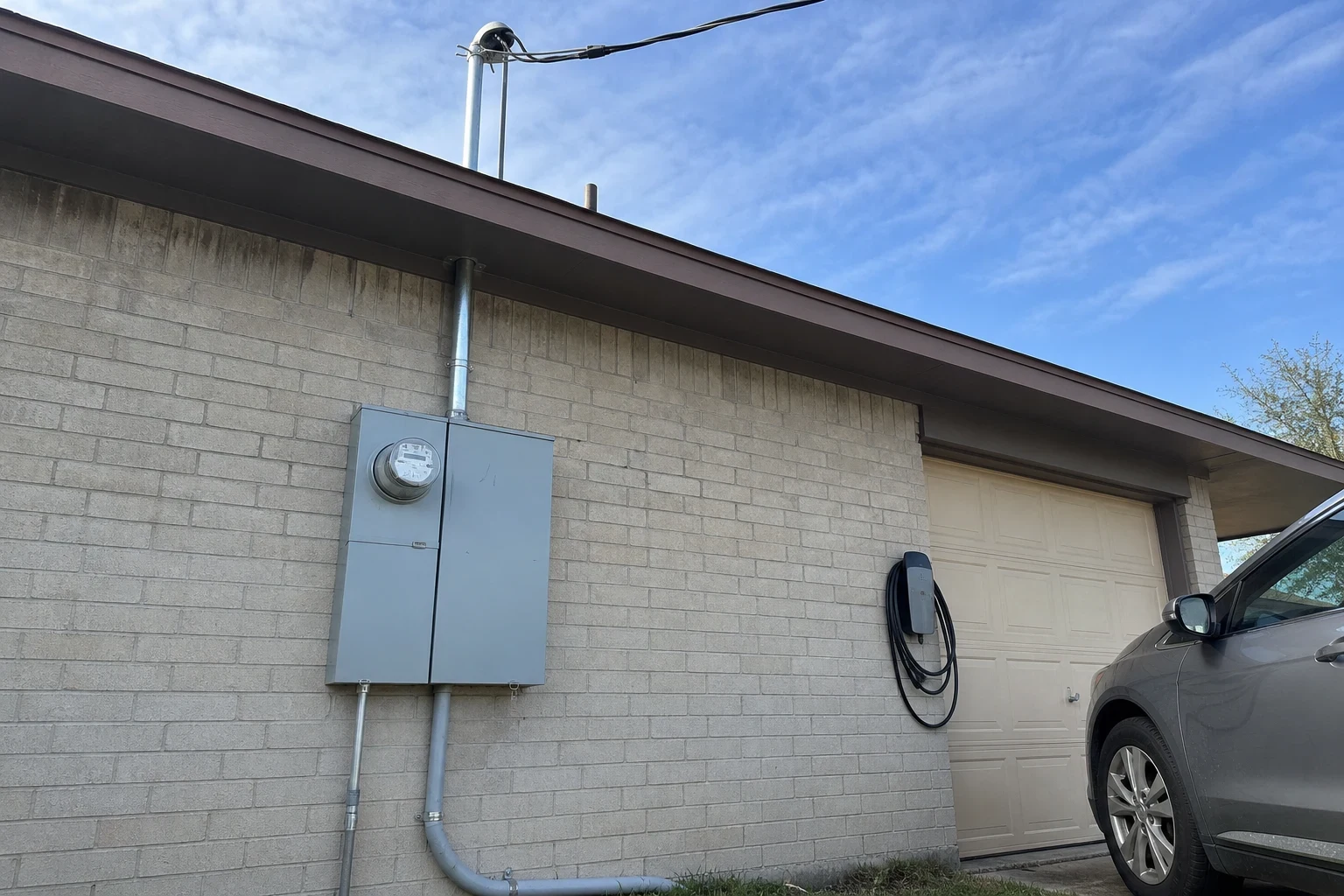
- Most often on a garage wall or a shaded outside wall close to the main panel. We pick a spot that stays inside the manufacturer's temperature range and meets required clearances. Keeping it out of strong afternoon sun helps it last longer.
- How much maintenance does a battery need?
- Hardly any. There's no oil to change and no fuel to rotate. The system checks itself and reports through its app. Just keep the space around it clear, and call us if the app shows a fault you don't recognize.
Keep the Lights On Next Time the Grid Goes Down
Tell us what matters most in your home during an outage, and we'll come look at your panel and your space. You'll get a clear plan and a written proposal before any work begins.